Sourdough Bread

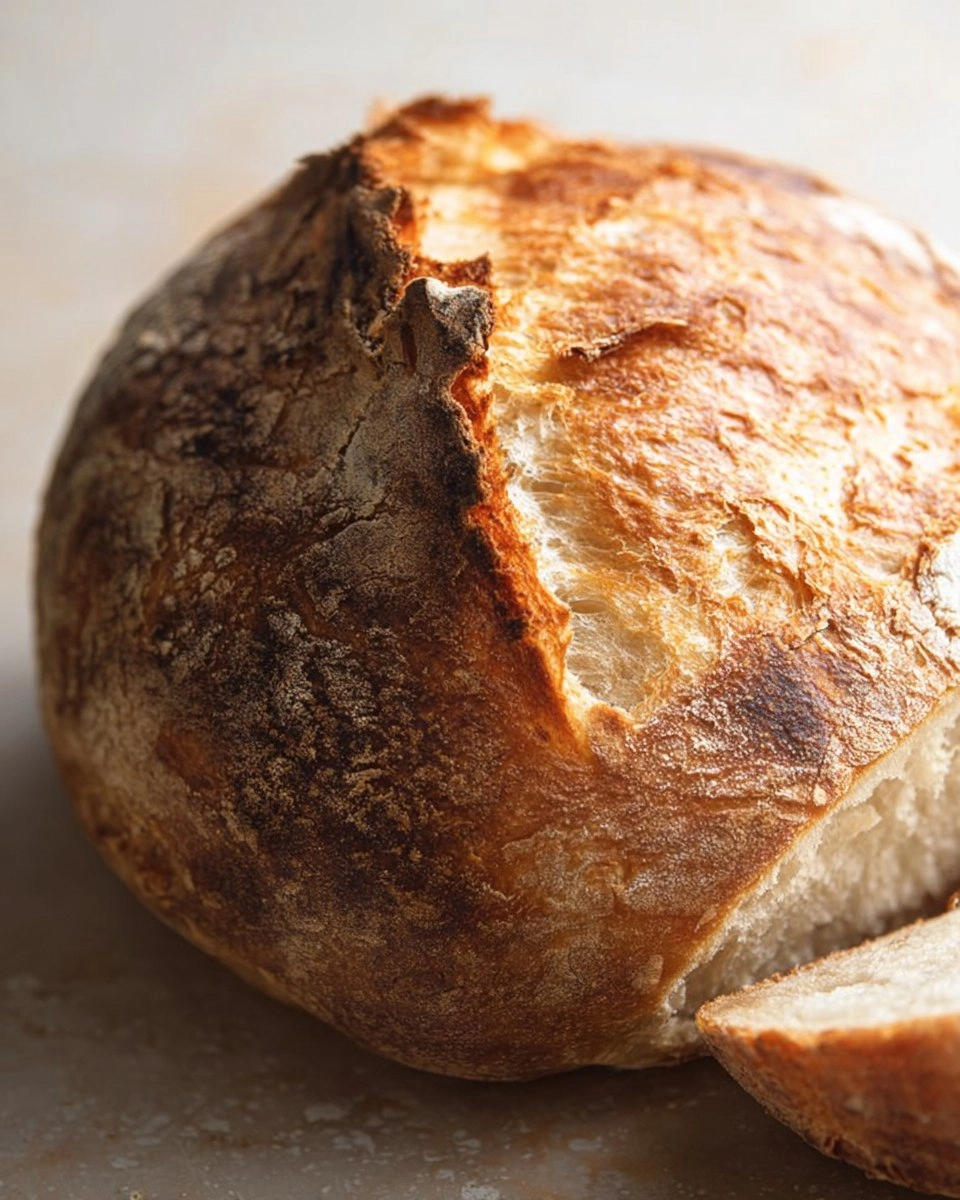
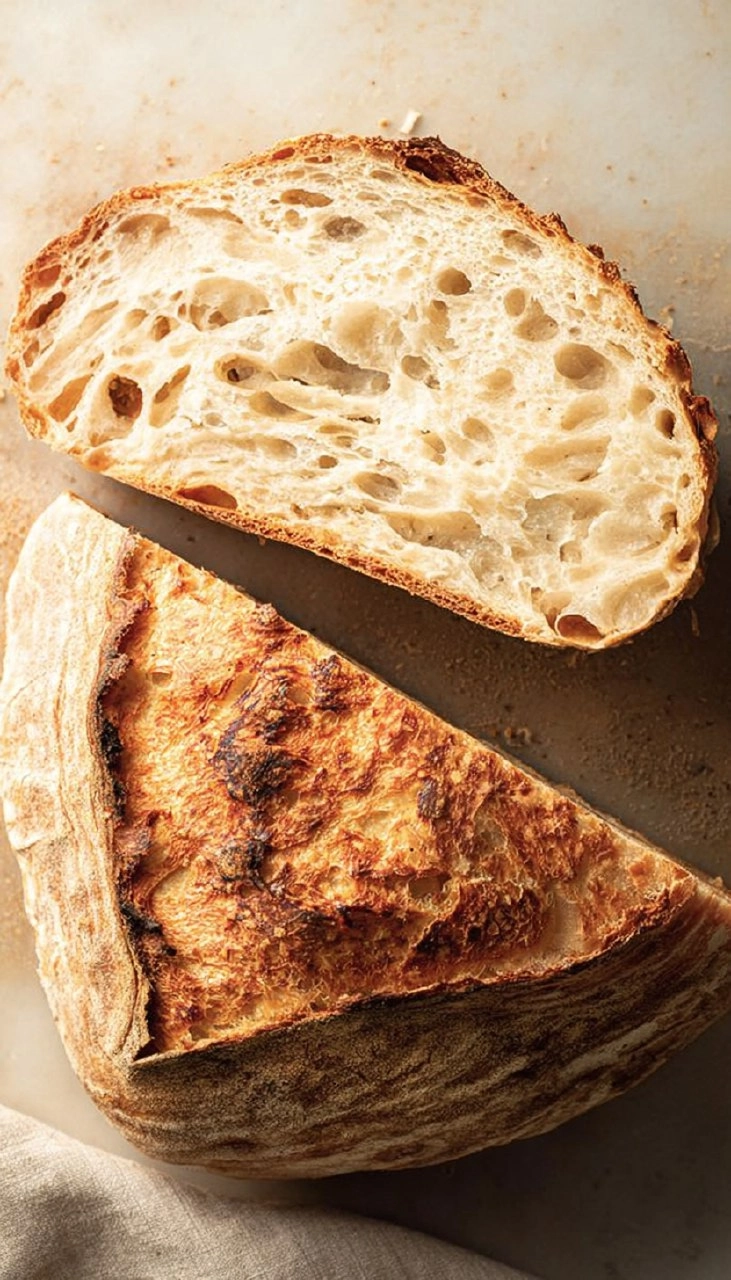
There’s nothing quite like the tantalizing aroma of freshly baked sourdough bread wafting through your home, filling the air with warmth and comfort. Picture that golden crust, crackling as you slice through it, revealing a soft, airy interior. The first bite sends a rush of tanginess, blended beautifully with that signature chew. It’s a beautiful celebration of simplicity—just flour, water, and your active sourdough starter.
I still remember the first time I baked sourdough bread with my grandmother. We’d spend afternoons laughing and measuring ingredients, her well-used recipe card a testament to the countless loaves we had shared. Whether it’s a chilly fall day or a sunny spring morning, there’s something undeniably heartwarming about making this bread from scratch. So, if you’re ready to create that same cozy feeling in your kitchen, let’s roll up our sleeves and get started!
Table of Contents
Why You’ll Love This Recipe
- Simple & Quick: Only about 6 hours of prep, and then you can enjoy the fruits of your labor.
- Irresistible Flavor: The tangy, nutty notes are perfect for toasting or pairing with butter.
- Eye-Catching Appeal: That rustic crust and airy crumb are sure to impress anyone who sees it.
- Flexible Serving: Ideal for breakfast, lunch, or even as a snack any time of day!
- Diet-Friendly Options: Make it your own with different flours or toppings; perfect for all kinds of diets.
Ingredients You’ll Need
- All-purpose flour (200 grams): This forms the base of your dough, giving it structure. Look for a high-protein option for better gluten development.
- Bread flour (200 grams): Higher in protein than all-purpose, this flour enhances the rise and chewiness of your loaf; you can substitute with more all-purpose if needed.
- Whole wheat flour (50 grams): Adds depth and earthiness to your sourdough bread; can be swapped with spelt flour for a different flavor profile.
- Purified water (350 grams, room temperature): Essential for activating the starter and hydrating the flours for optimal fermentation.
- Active sourdough starter (80 grams): The heart of your bread! You can either make your own or buy one from a trusted source.
- Kosher salt (10 grams): Enhances flavor and helps control fermentation; regular sea salt can be used in a pinch.
- Rice flour and all-purpose flour (for dusting): A mix for your banneton; this prevents sticking and helps achieve that beautiful crust.
How to Make Sourdough Bread
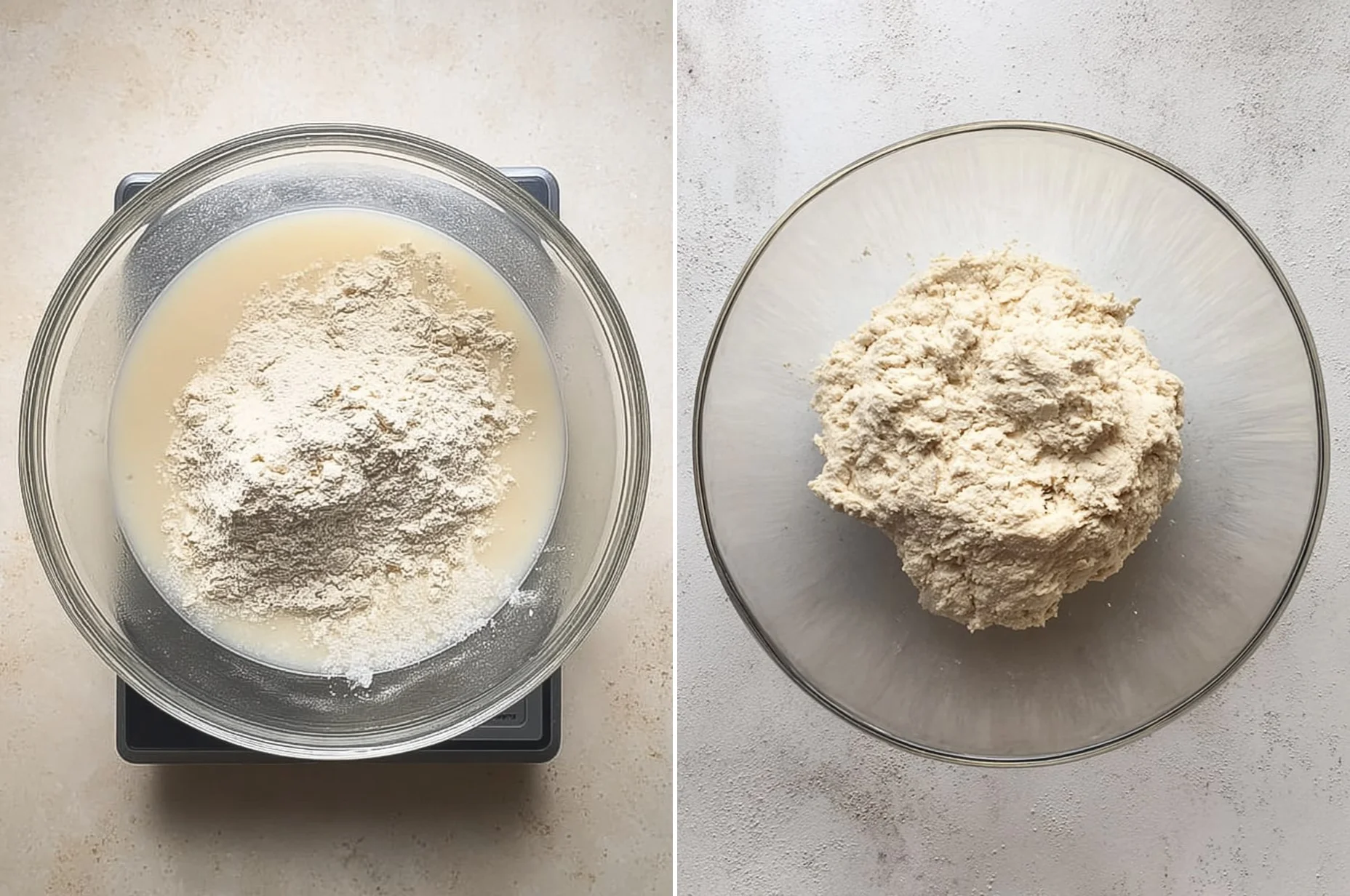
Mix the Starter: In a large bowl, combine your 80 grams of active sourdough starter with 350 grams of room temperature purified water. Stir until the starter dissolves completely, creating a milky consistency. This is the magical moment when your ingredients begin to mingle, setting the stage for fermentation.
Combine Dry Ingredients: In a separate bowl, whisk together 200 grams of all-purpose flour, 200 grams of bread flour, 50 grams of whole wheat flour, and 10 grams of kosher salt. Incorporating the salt into the dry mix prevents direct contact with the starter initially, optimizing fermentation.
Form the Dough: Gradually add the dry ingredients to the starter mixture. Use a spatula or your hands to combine until you have a shaggy, slightly sticky dough. This is where the fun begins as you can feel the textures coming together; the dough will look rough but that’s perfectly okay!
Knead the Dough: Turn the mixture out onto a lightly floured surface and knead for about 10–15 minutes. The objective here is to develop elasticity until the dough is smooth and springs back when poked. Skipping this step can lead to dense bread, so roll up those sleeves!
Bulk Ferment: Place the kneaded dough into a lightly greased bowl, cover with a damp towel, and let it rest for about 4 hours at room temperature. During this time, the dough will rise and develop its unique flavors. Give it a gentle stretch and fold every hour to encourage strength and volume.
Shape the Dough: Once the dough has doubled in size, gently turn it out onto a floured surface. Shape it into a round or oval loaf, depending on your preference. Use gentle hands to avoid deflating the air you’ve worked so hard to create. This part is crucial for achieving that beautiful, airy crumb.
Second Rise: Transfer your shaped loaf into a banneton dusted with the rice and all-purpose flour blend. Cover and leave to rise for another hour or until it has visibly puffed up. The anticipation builds as you wait for that final rise, and the aroma starts to fill your kitchen.
Preheat and Score: Preheat your oven to 450°F (232°C). Once ready, carefully flip the dough onto a parchment-lined baking sheet. Use a sharp blade to score the top in a design of your choice—this not only helps in a controlled spring while baking but also looks stunning!
Bake Until Golden: Place the dough into the oven and bake for 30–40 minutes until the crust is deeply golden and the internal temperature registers at 200°F (93°C). Your kitchen will smell divine, a warm embrace that beckons anyone nearby. The bread is done when it sounds hollow when tapped on the bottom.
Storing & Reheating
To store your freshly baked sourdough bread, let it cool completely before wrapping in a clean kitchen towel. Keep it at room temperature for up to 3 days. For longer storage, slice and freeze it in an airtight bag for up to 3 months. When you’re ready to enjoy it again, simply reheat slices in the toaster or warm the whole loaf in the oven at 350°F (175°C) for about 10 minutes. Just keep in mind, freezing may alter the texture slightly; a quick refresh will bring back some of its original charm.
Chef’s Helpful Tips
- Avoid over-kneading if your dough starts to tear; it should be elastic and slightly tacky but not overly wet.
- Ensure your starter is bubbly and active before you begin. Feeding it the night before can set you up for success.
- Pay attention to the dough during the second rise; it should be airy but not overly expanded.
- If your bread is undercooked, check your oven temperature; every oven is slightly different.
- Experiment with additional flavors! Add herbs, cheese, or nuts in the folding step for a delightful twist.
The beauty of making sourdough bread lies in its simplicity and the connection it creates. Once you master this technique, there’s so much room for exploration and creativity. Your kitchen can become a bakery, inviting in the warmth of tradition and the joy of sharing. And remember, every loaf might turn out differently, so enjoy the process.
Recipe FAQs
Can I use all-purpose flour instead of bread flour?
How do I know if my starter is active enough?
What if my dough doesn’t rise?
Can I make this recipe vegan?
More Desserts & Appetizers Recipes
👉 If you make my Sourdough Bread recipe, please leave a comment and a star rating — it really helps others discover the recipe.
Follow me on
Pinterest
for more easy recipes.
Sourdough Bread
- Prep Time: 6 hours
- Cook Time: 40 minutes
- Total Time: 6 hours 40 minutes
- Yield: 1 loaf 1x
- Category: Baking
- Method: Oven
- Cuisine: Homemade
Description
This Sourdough Bread combines irresistible flavor and simple prep, making it perfect for a cozy breakfast, lunch, or any time snack. Its rich taste is complemented by a beautiful crust and airy crumb, crafted from just a few key ingredients.
Ingredients
- 200 grams all-purpose flour
- 200 grams bread flour
- 50 grams whole wheat flour
- 350 grams purified water (room temperature)
- 80 grams active sourdough starter
- 10 grams kosher salt
- Rice flour and all-purpose flour (for dusting)
Instructions
- Mix the starter by combining active sourdough starter with purified water until dissolved.
- Whisk together dry ingredients in a separate bowl.
- Add dry ingredients to the starter mixture and combine.
- Knead the dough on a floured surface for about 10–15 minutes until smooth and elastic.
- Let the dough bulk ferment in a greased bowl covered with a towel for 4 hours, stretching and folding it hourly.
- Shape the dough gently after it has doubled in size.
- Transfer to a banneton for a second rise for about an hour.
- Preheat oven to 450°F (232°C) and score the dough before baking.
- Bake for 30–40 minutes until golden and hollow when tapped.
Notes
Ensure your sourdough starter is active for the best results.
Do not over-knead the dough to maintain elasticity.
For a unique flavor, consider adding herbs or spices during the process.
Nutrition
- Serving Size: 1 slice
- Calories: 140
- Sugar: 0.3g
- Sodium: 200mg
- Fat: 2g
- Saturated Fat: 0.3g
- Unsaturated Fat: 1.7g
- Trans Fat: 0g
- Carbohydrates: 28g
- Fiber: 1g
- Protein: 5g
- Cholesterol: 0mg