Tofu Bibimbap

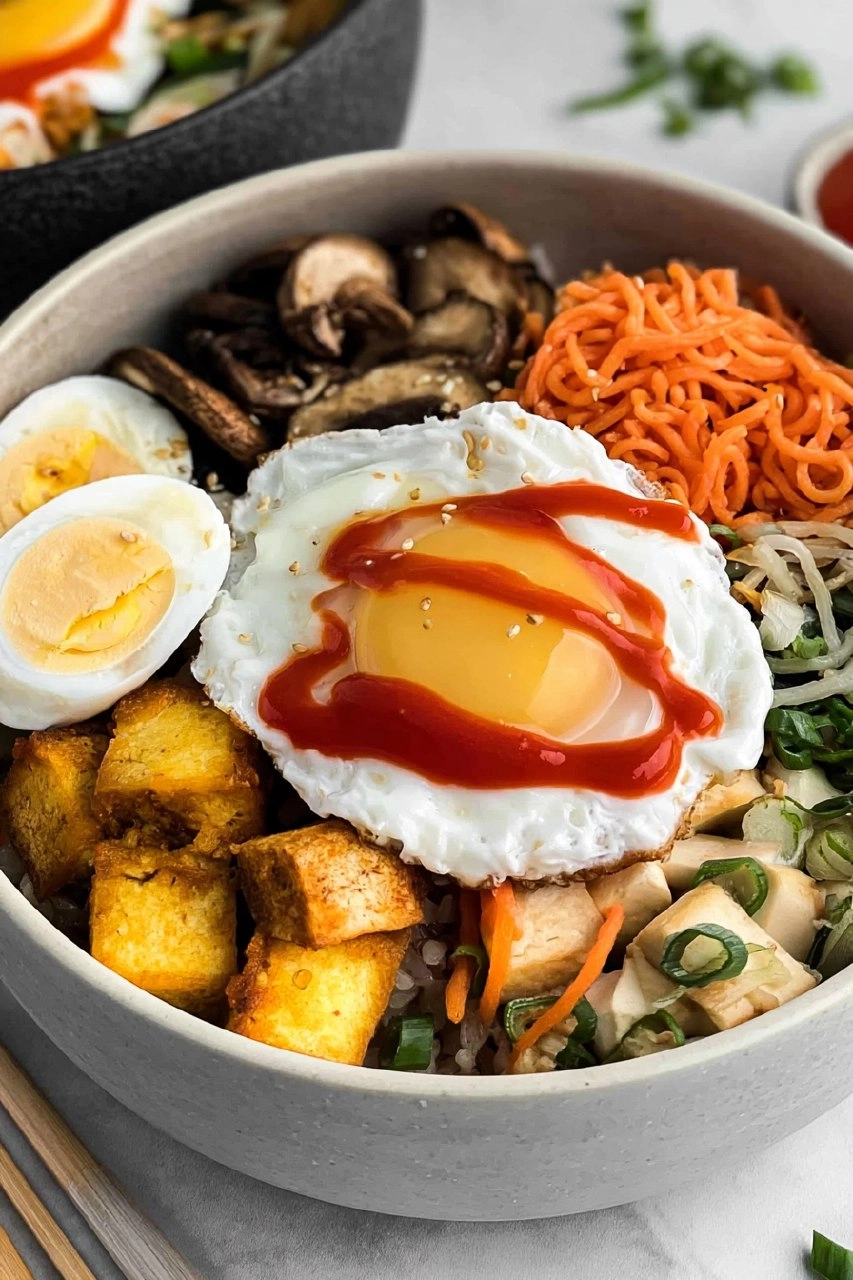
Tofu Bibimbap offers a delightful symphony of flavors and textures that beckon to your tastebuds. With its vibrant colors, warm rice, and a tempting array of vegetables topped with a crispy tofu, it’s hard not to fall in love with this dish. You can almost sense the umami wafting through the air as you prepare this beautiful bowl, making even the pickiest eaters want to dive in.
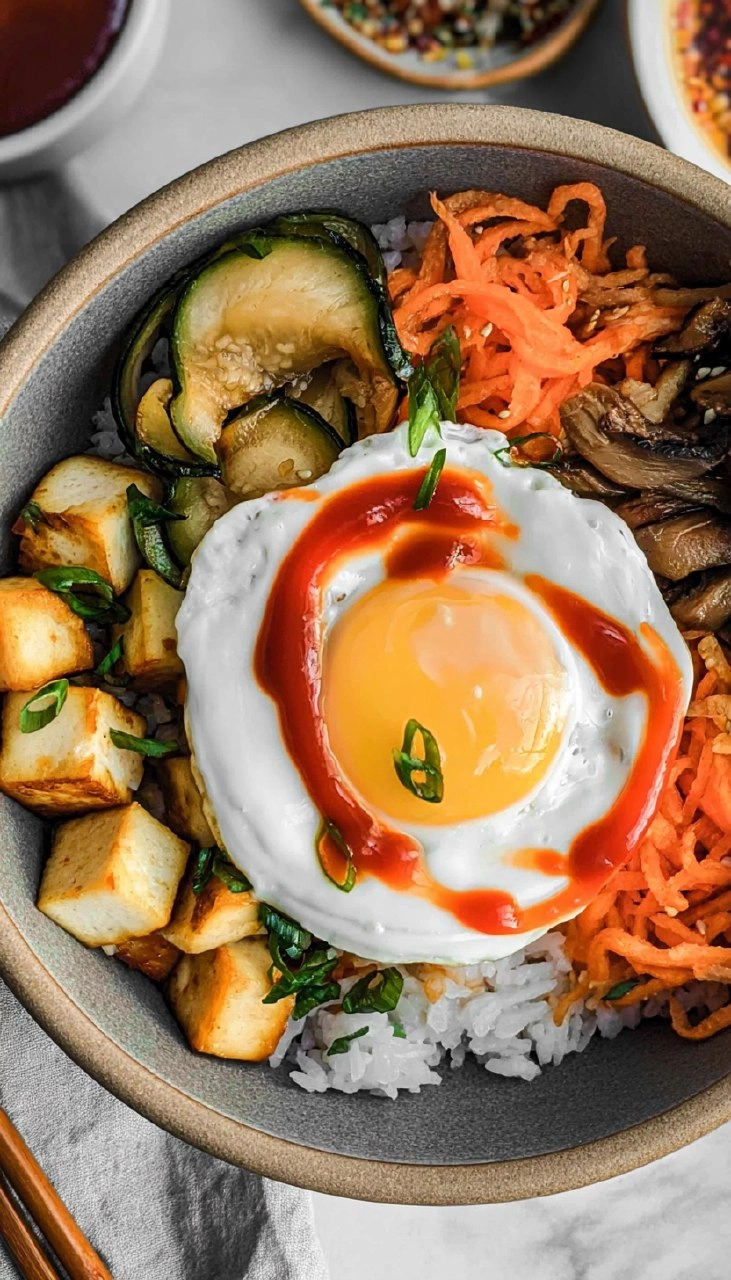
This comforting dish is not only delicious but can also be whipped up in no time. Using accessible pantry staples, Tofu Bibimbap is an excellent choice for weeknight dinners or meal prep. Plus, with its customizable ingredients, everyone can have their perfect bowl tailored just for them. Try it out, and you might just discover a new favorite!
Table of Contents
Why You’ll Love This Recipe
- Simple & Quick: This hearty dish comes together in about an hour, making it perfect for busy weeknights.
- Irresistible Flavor: The combination of sautéed vegetables and crispy tofu creates an explosion of taste in every bite.
- Eye-Catching Appeal: With its mix of colors and textures, Tofu Bibimbap is a feast for the eyes, perfect for impressing family and friends.
- Flexible Serving: Enjoy it for lunch or dinner, or make it a fun meal prep option for the week.
- Diet-Friendly Options: Easily adaptable for vegan or gluten-free diets — just make a few simple swaps!
Ingredients You’ll Need
- 2 cups short grain white rice, cooked: The foundation of the dish, providing a sticky and comforting base.
- 1 cup bean sprouts, drained: These crunchy sprouts add a refreshing crunch that contrasts beautifully with the other textures.
- 5 oz. shiitake mushrooms: Earthy and savory, they bring depth to the flavor profile. Feel free to swap with button mushrooms if needed.
- 2 cups zucchini, approx. 1 zucchini, chopped: Tender and mild, zucchini soaks up the surrounding flavors.
- 2 cups shredded carrots: Their sweetness balances the dish wonderfully while adding color.
- 3 tbsp olive oil, plus more as needed: Essential for sautéing and achieving crispy textures.
- 1 block super firm tofu, pressed: The star of the dish; its firmness ensures it holds up well during cooking.
- Salt: Enhances all the flavors along with tofu seasoning.
- 2 eggs: Fried until the yolks are still runny, adding richness to the dish.
- Green onion for garnish: A fresh finish, adding a pop of color and flavor.
- ¼ cup gochujang: This Korean pepper paste adds heat and depth. Adjust according to your spice preference.
- 1 tbsp sesame oil: Nutty and smooth, it enhances the sauce’s flavor.
- 2 tbsp maple syrup: A hint of sweetness to balance the heat from gochujang.
- 1 tbsp water: To thin out the sauce for the right consistency.
- 1 tsp rice vinegar: A dash of acidity to brighten the overall flavor.
- ¼ tsp salt: To season the sauce perfectly.
How to Make Tofu Bibimbap
- Cook the Rice: Prepare the short grain white rice according to the package instructions. This will serve as the warm and sticky base for your Bibimbap.
- Sauté the Mushrooms: Heat 1 tablespoon of olive oil in a skillet over medium heat. Add the shiitake mushrooms, cooking until they’re tender, about 5 minutes. Transfer them to a small bowl.
- Cook the Zucchini: In the same skillet, add more olive oil if needed, and sauté the zucchini until softened. Transfer to another bowl.
- Prepare the Carrots: Sauté the shredded carrots in the same skillet until they soften, then add them to a third bowl.
- Crispy Tofu: Wipe out the skillet and heat 2 tablespoons of olive oil. Slice the pressed tofu into bite-sized cubes, season with salt, and add to the skillet. Cook until all sides are golden and crispy.
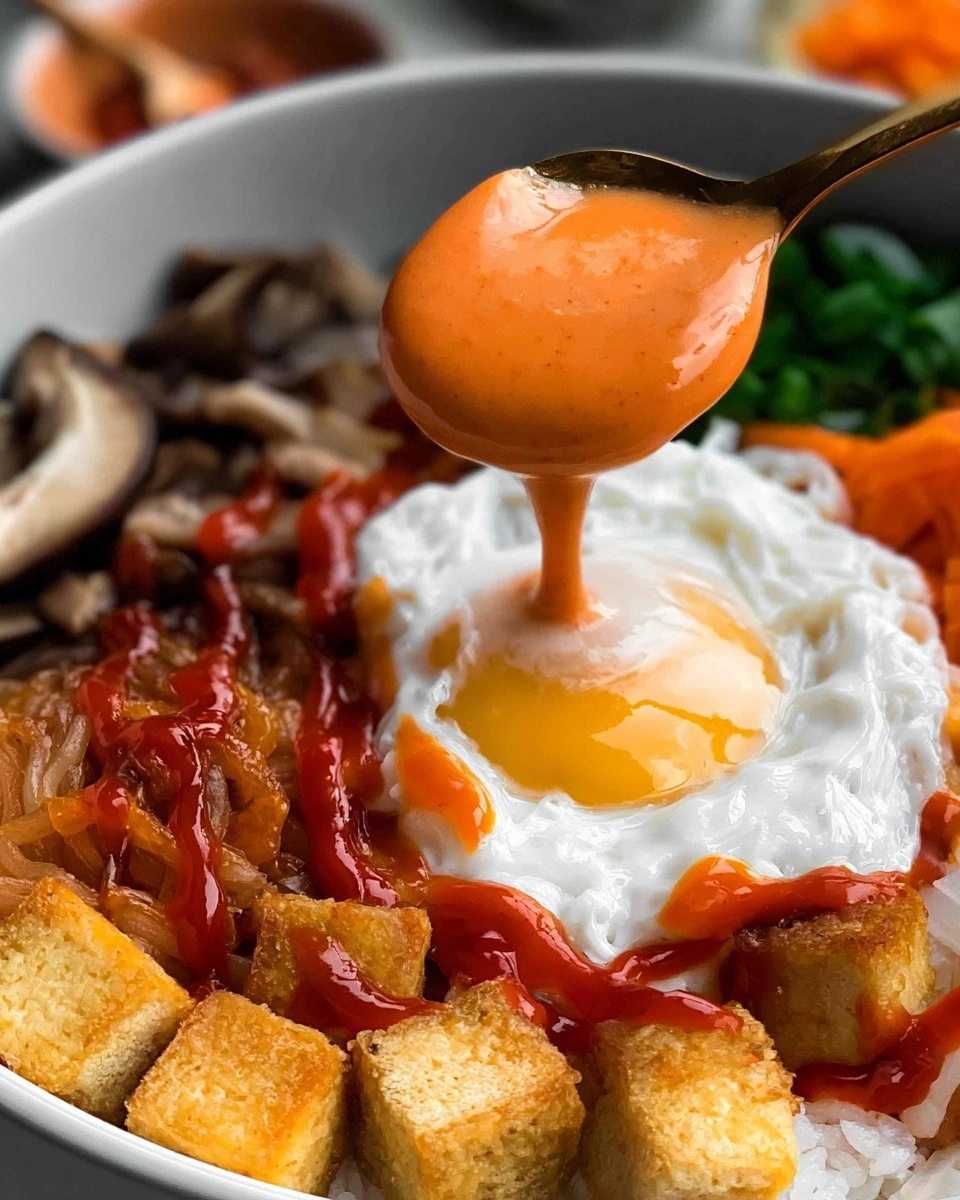
- Make the Sauce: In a small bowl, whisk together ¼ cup gochujang, 1 tablespoon sesame oil, 2 tablespoons maple syrup, 1 tablespoon water, 1 teaspoon rice vinegar, and ¼ teaspoon salt until smooth.
- Fry the Eggs: Crack the eggs into the skillet and fry for a few minutes until the whites are set, but the yolks remain runny, adding a luscious topping.
- Assemble the Bowls: Divide the cooked rice among two bowls and artfully arrange the sautéed mushrooms, zucchini, carrots, uncooked bean sprouts, and crispy tofu. Top with a fried egg, drizzle with sauce, and garnish with chopped green onion.
Storing & Reheating
Store any leftovers of Tofu Bibimbap in an airtight container in the refrigerator for up to 3 days. If you prefer to freeze it, use a freezer-safe container and consume within 3 months. To reheat, warm in the microwave for 1-2 minutes, or until heated through. Keep in mind that the texture of the tofu might change slightly upon reheating, but a quick drizzle of extra sesame oil can revive its flavors.
Chef’s Helpful Tips
- Pressing Tofu: Ensure your tofu is well-pressed to remove excess moisture; this will help it crisp up beautifully while cooking.
- Room Temperature Ingredients: Allow your eggs to come to room temperature for a fluffier texture when frying.
- Timing: Organizing your cooking by prepping ingredients ahead (like chopping veggies) can save time and streamline the process.
- Texture Troubles: Don’t rush the sautéing! Giving the veggies enough time allows them to develop a beautiful caramelization.
- Flavor Boost: For extra flavor, consider marinating the tofu in a mix of gochujang, sesame oil, and a little soy sauce before cooking it.
Tofu Bibimbap is not just a meal; it’s an experience filled with unforgettable flavors and textures that’ll make your tastebuds dance. Experiment with different vegetables or toppings that tickle your fancy. Whether this is comforting food for a cozy night in or a vibrant centerpiece at a gathering, each bowl can be uniquely crafted. Enjoy savoring every bite of this mouthwatering dish!
Recipe FAQs
Can I make Tofu Bibimbap vegan?
What can I substitute for gochujang?
How do I store leftover Tofu Bibimbap?
Can I use other vegetables?
More Dinner Recipes
- Air Fryer Baked Potatoes
- Döner Kebab with Chicken
- Baked Mediterranean Chicken
- Egg Roll in a Bowl
- 4 Ingredient Pasta Salad
👉 If you make my Tofu Bibimbap recipe, please leave a comment and a star rating — it really helps others discover the recipe.
Follow me on
Pinterest
for more easy recipes.

Tofu Bibimbap
- Prep Time: 15 minutes
- Cook Time: 50 minutes
- Total Time: 1 hour 5 minutes
- Yield: 2 servings 1x
- Category: Dinner
- Method: Sautéing
- Cuisine: Korean
Description
Enjoy a vibrant bowl of Tofu Bibimbap, loaded with fresh vegetables, savory tofu, and a spicy gochujang sauce. This recipe is ideal for a quick and satisfying dinner, bringing together wholesome ingredients that make for a delightful comfort food experience.
Ingredients
- 2 cups short grain white rice, cooked
- 1 cup bean sprouts, drained
- 5 oz. shiitake mushrooms
- 2 cups zucchini, chopped
- 2 cups shredded carrots
- 3 tbsp olive oil, plus more as needed
- 1 block super firm tofu, pressed
- Salt
- 2 eggs
- Green onion for garnish
- ¼ cup gochujang
- 1 tbsp sesame oil
- 2 tbsp maple syrup
- 1 tbsp water
- 1 tsp rice vinegar
- ¼ tsp salt
Instructions
- Cook the rice according to the package instructions.
- Heat 1 tablespoon of olive oil in a skillet over medium heat. Sauté the mushrooms until soft, about 5 minutes, then transfer to a small bowl.
- In the same skillet, add the zucchini and sauté until softened, adding more oil if needed. Transfer to another bowl.
- Repeat the process with the shredded carrots, cooking until soft, then transfer to a separate bowl.
- Wipe out the skillet with a paper towel, add 2 tablespoons of olive oil, and prepare the tofu by cutting it into bite-sized cubes and sprinkling with salt.
- Add the tofu to the skillet and cook until crispy on all sides. Alternatively, consider baking the tofu for a healthier option.
- Prepare the sauce by whisking together gochujang, sesame oil, maple syrup, water, rice vinegar, and salt in a small bowl.
- Crack the eggs into the skillet and cook for a few minutes until the yolks are runny.
- Assemble the bowls by dividing the rice between two bowls and topping with the sautéed vegetables, bean sprouts, and tofu. Place a fried egg on top of each bowl, drizzle with sauce to taste, and garnish with green onions.
Notes
Feel free to adjust the ingredients based on your preferences or what you have on hand.
For a vegetarian option, skip the eggs or use tofu scramble.
Store leftovers in the refrigerator for up to 3 days.
Nutrition
- Serving Size: 1 bowl
- Calories: 520
- Sugar: 6g
- Sodium: 710mg
- Fat: 25g
- Saturated Fat: 3g
- Unsaturated Fat: 20g
- Trans Fat: 0g
- Carbohydrates: 68g
- Fiber: 8g
- Protein: 20g
- Cholesterol: 186mg